


AUK's Dr. Farrin Authors New Book on Classical Arabic Poetry
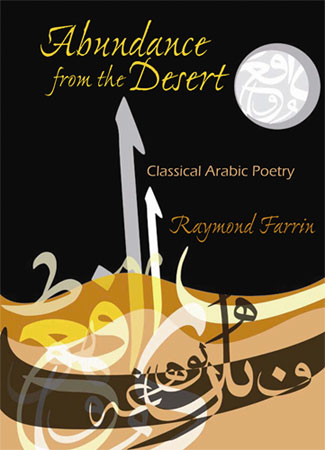
American University of Kuwait Assistant Professor of Arabic, Dr. Raymond Farrin, has authored a new book of classical Arabic poetry titled Abundance from the Desert to be released Spring 2011 by Syracuse University Press.
The book provides a comprehensive introduction to classical Arabic poetry covering the period roughly of 500-1250 CE. It features original translations and illuminating discussions of a number of major classical Arabic poems from a variety of genres. The poems are presented chronologically, each situated within a specific historical and literary context. Together, the selected poems suggest the range and depth of classical Arabic poetic expression; read in sequence, they suggest the gradual evolution of a tradition.
Moving beyond a mere chronicle, Dr. Farrin outlines a new approach to appreciating classical Arabic poetry based on an awareness of concentric symmetry, in which the poem's unity is viewed not as a linear progression but as an elaborate symmetrical plot. In doing so, the author presents these works in a broader, comparative light, revealing connections with other literatures. The reader is invited to examine these classical Arabic works not as isolated phenomena-notwithstanding their uniqueness and their association with a discrete tradition-but rather as part of a great multicultural heritage.
Related News
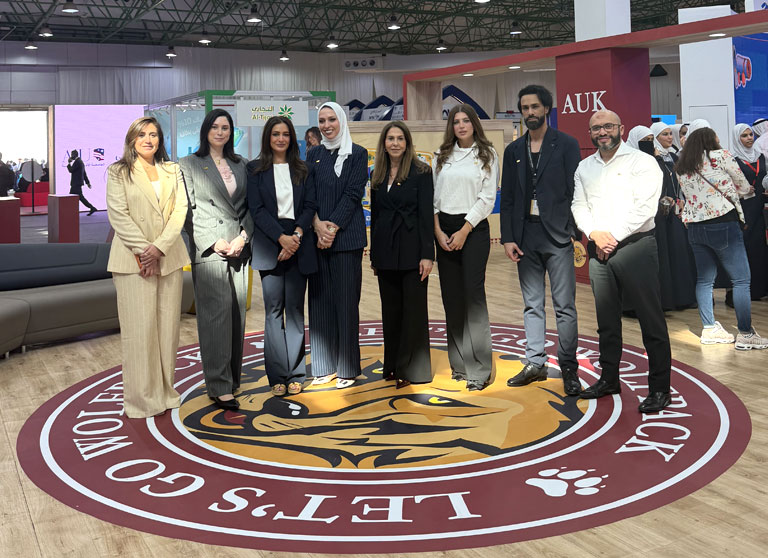
AUK Connects with Prospective Students at Derasati Exhibition 2026
18, Nov 2026
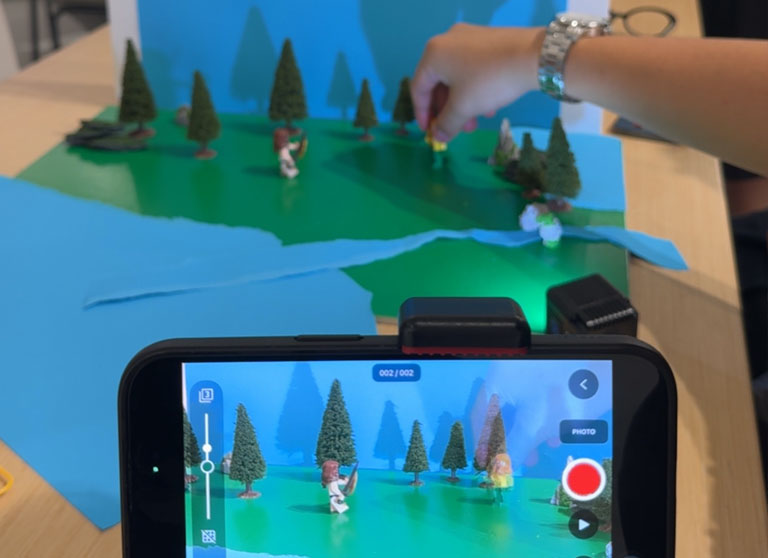
AUK Professors Ramy Khair and Rita Merheb Exhibit at ISEA2026 and Lead a Stop-Motion Masterclass at Dubai Design Week
17, Nov 2026
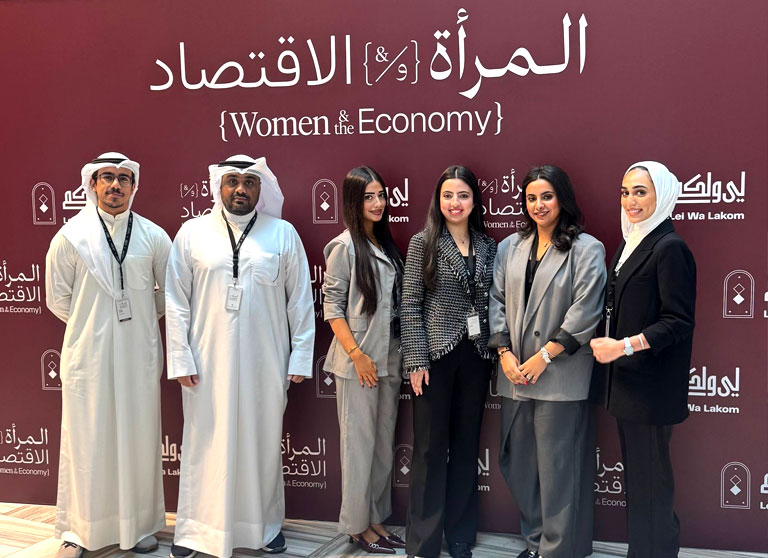
AUK Data Club Strengthens Research, Innovation, and Community Engagement Through Three Initiatives
16, Nov 2026
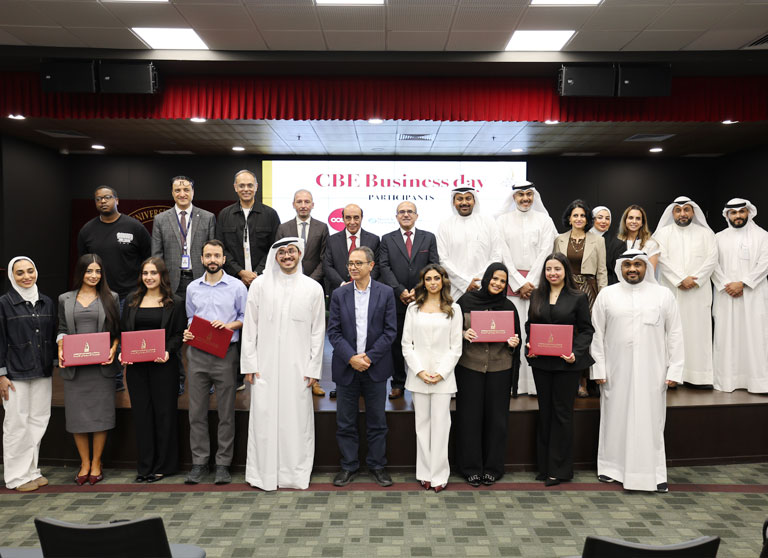
American University of Kuwait Hosts Business Days 2026, Connecting Students with Industry Professionals
11, Nov 2026
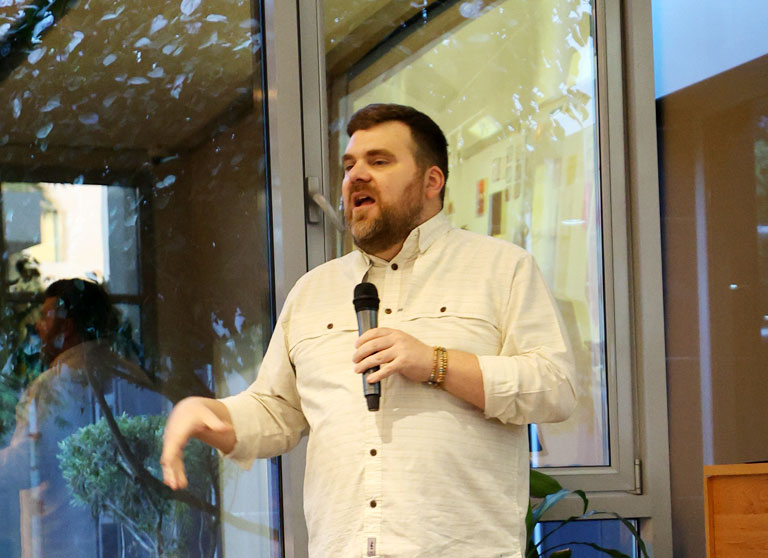
Professor Clark Stoeckley Reflects on Global Artistic Experiences
04, Nov 2026
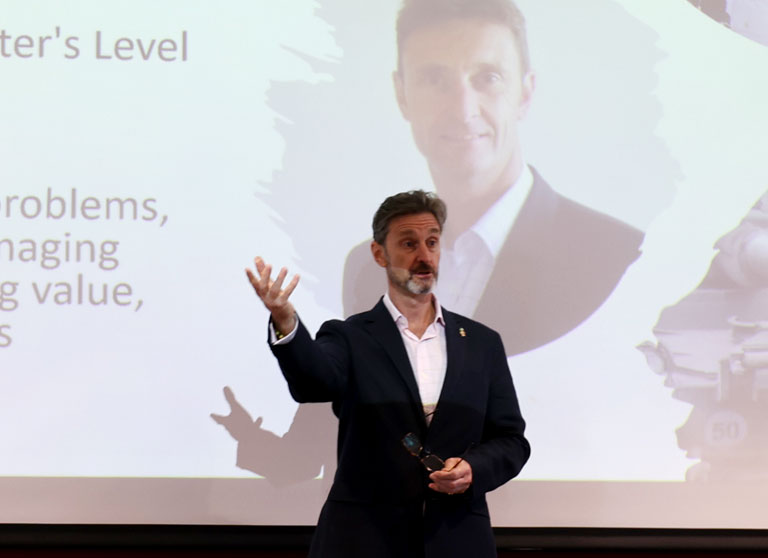
From the Cockpit to the Startup: Former British Army Officer Dougie Lord Speaks to AUK Entrepreneurship Students
03, Nov 2026
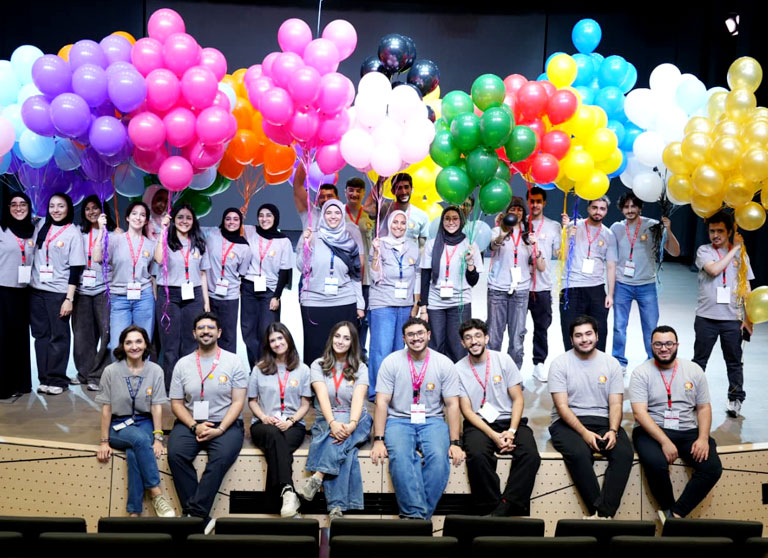
The American University of Kuwait Hosts the 14th Kuwait Collegiate Programming Contest (KCPC)
29, Oct 2026
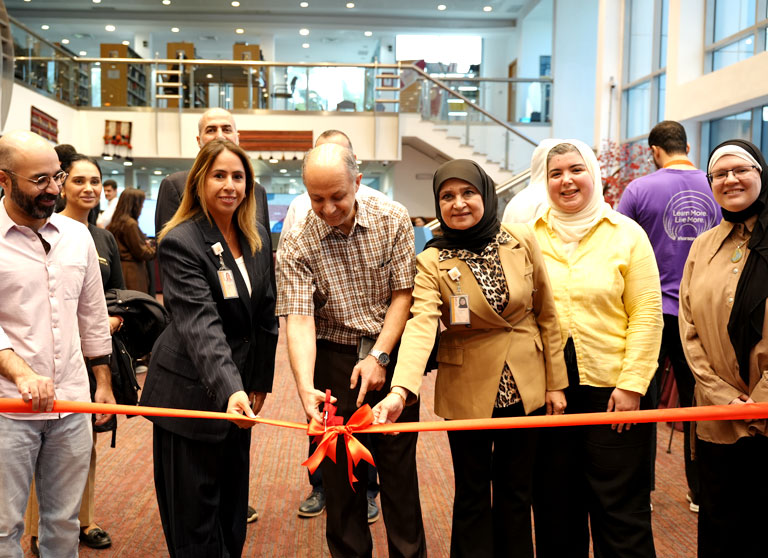
AUK Library AI Showcase Brings Students Together to Explore AI Across Disciplines
27, Oct 2026
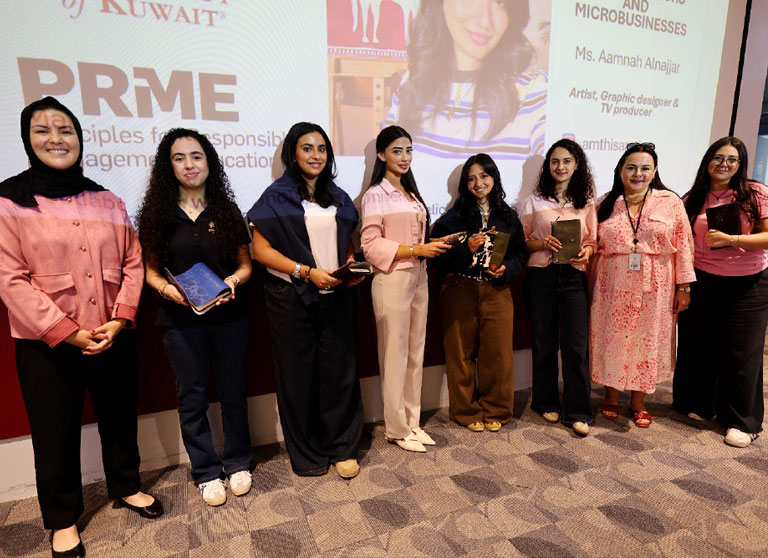
AUK Empowers Women Entrepreneurs Through Creativity and Craft
25, Oct 2026
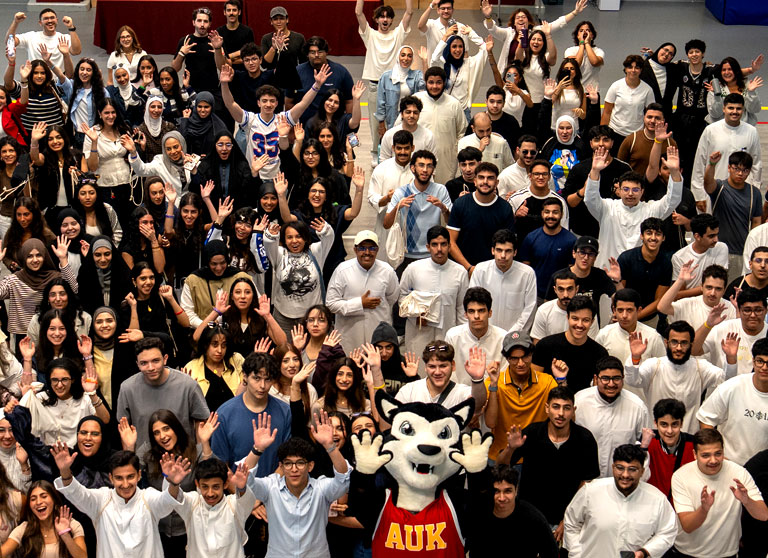
AUK Welcomes 400 Freshmen at Fall 2026 Orientation
25, Oct 2026