


AUK Hosts the Ministry of Finance
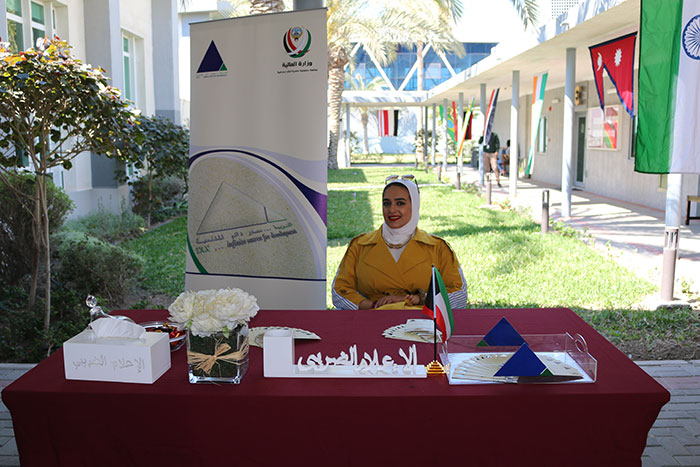
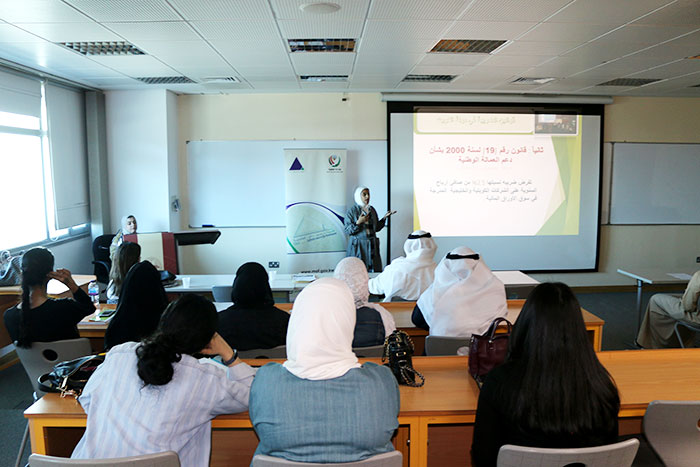
The American University of Kuwait (AUK) hosted representatives from the Ministry of Finance to hold a lecture that raised awareness about taxes. The lecture aimed to enrich the students’ knowledge about existing and prospective taxation laws in Kuwait.
The guest speakers explained the current government revenue structure as one that heavily depends on oil and foreign investments. However, this cannot be sustained as the oil can be depleted or replaced by another energy source. As such, oil markets have become volatile, causing a drop in oil prices and caused a budget deficit. A similar volatility exists in the world financial markets as well.
The speakers introduced taxation as an alternative and sustainable source of government revenue to enable the State to finance its public expenditures and social services, all whilst improving the level of services. Among its other functions, taxes can help in redistributing income and wealth on the basis of justice and the principles of equality; as well as encourage the national product through applying taxes on imported products. The speakers affirmed that any such taxation law would have to be aligned with the related taxation articles in the constitution which ensure social justice in its application.
Due to the drop in oil prices, GCC countries had agreed to apply VAT of 5% in 2018 in order to cover their budget deficit. Despite Kuwait’s commitment to this agreement, this has not yet been implemented as Kuwait’s Finance Minister Nayef Al-Hajraf has stated that implementation is not possible without the parliament’s ratification.
The guest speakers explained the current government revenue structure as one that heavily depends on oil and foreign investments. However, this cannot be sustained as the oil can be depleted or replaced by another energy source. As such, oil markets have become volatile, causing a drop in oil prices and caused a budget deficit. A similar volatility exists in the world financial markets as well.
The speakers introduced taxation as an alternative and sustainable source of government revenue to enable the State to finance its public expenditures and social services, all whilst improving the level of services. Among its other functions, taxes can help in redistributing income and wealth on the basis of justice and the principles of equality; as well as encourage the national product through applying taxes on imported products. The speakers affirmed that any such taxation law would have to be aligned with the related taxation articles in the constitution which ensure social justice in its application.
Due to the drop in oil prices, GCC countries had agreed to apply VAT of 5% in 2018 in order to cover their budget deficit. Despite Kuwait’s commitment to this agreement, this has not yet been implemented as Kuwait’s Finance Minister Nayef Al-Hajraf has stated that implementation is not possible without the parliament’s ratification.
Related News
Celebrating Gulf Accounting Week 2026!
11, Oct 2026

AUK Students Embark on Semester Abroad at Sciences Po
27, Sep 2026

Dr. Nizar Hamzeh Publishes Research on Kuwait’s Constitutional Approach to International Law
16, Sep 2026
AUK Provides 200 School Bags to Support Families in Collaboration with LOYAC
13, Sep 2026
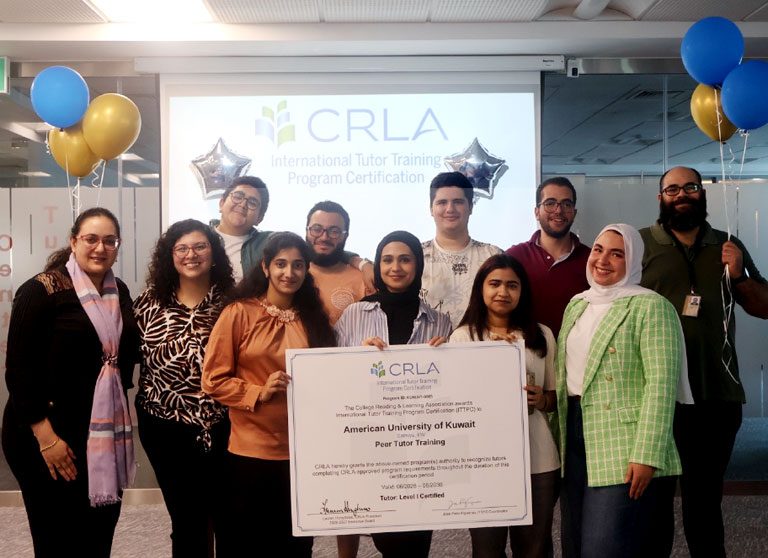
AUK Tutoring Center Renews International CRLA Certification
25, Aug 2026

American University of Kuwait Partners with Ruba to Facilitate Flexible Tuition Payment Solutions
24, Aug 2026

American University of Kuwait Professor Clark Stoeckley Showcases Work at Dartmouth
18, Aug 2026
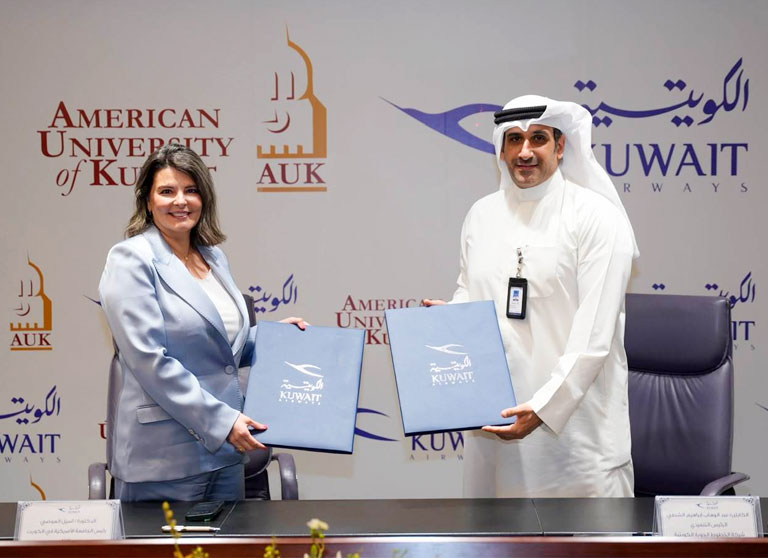
American University of Kuwait and Kuwait Airways Sign Memorandum of Understanding to Strengthen Academic and Professional Collaboration
09, Aug 2026
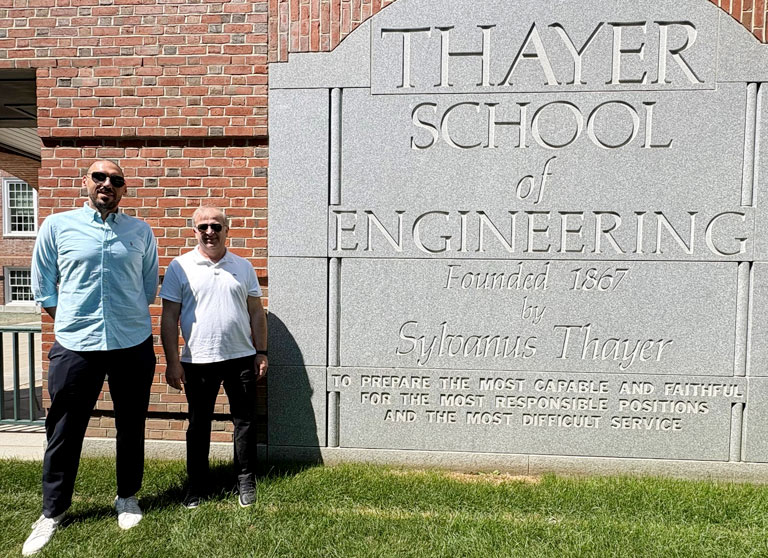
AUK Faculty Strengthen International Research Collaboration Through Dartmouth Partnership
26, Jul 2026

AUK Showcases Its Academic Programs at Universities Exhibition
24, Jul 2026